
Asset integrity, from inspection to action.
Keep operating assets available, maintained, inspected and supportable from one asset record.
- 4
- Applications
- 5
- Stages in the flow
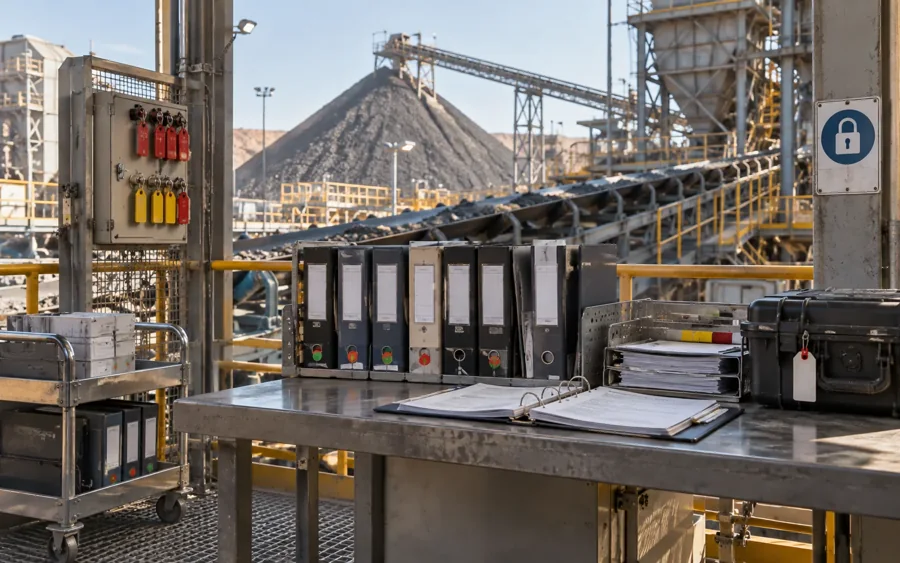
Asset 360
Keep operating assets available, maintained, inspected and supportable from one asset record.
Asset 360
Everything known about an asset, from inspection findings to barrier status, in one view.
Reliability with numbers
RBD, FMECA, fault trees and Weibull analysis inform availability and maintenance decisions.
Supportability decided early
Obsolescence risk and lifetime-buy decisions are recorded against where an item is used.
5 stages, each owned by an application.
Every stage is a working part of a Zemerc application today, and each application runs on its own. An operating area is how they are bought, not a bundle they have to be bought in.
The register and its 360 view.
AIRMS: Asset Integrity & Reliability Management System
Integrity, inspection, corrosion and barrier records with an Asset 360 view.
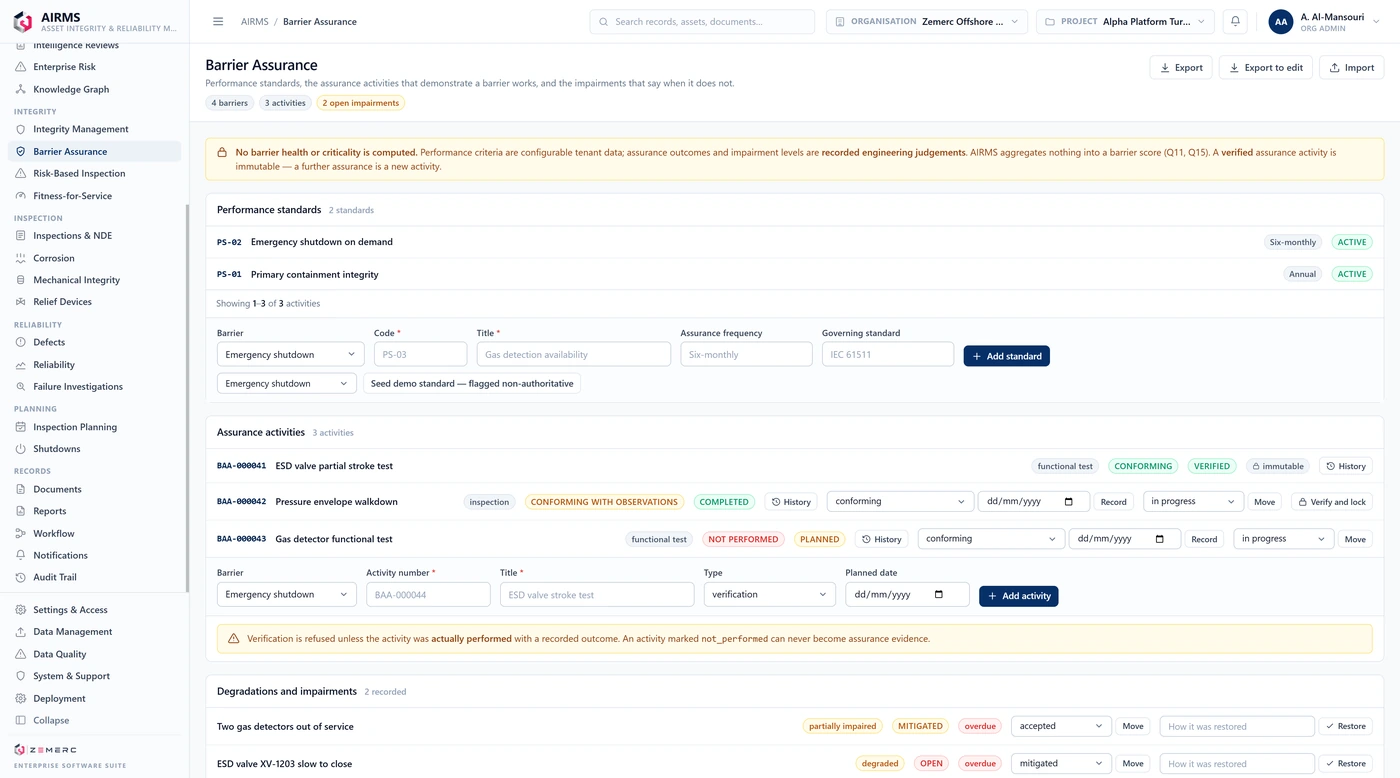
No barrier health or criticality is computed. Performance criteria are the organisation’s own, and assurance outcomes are recorded engineering judgements.
- A blank field means unknownAn unrecorded value is never treated as zero, and the application says what would have to be recorded for a figure to appear.
- Immutable where it mattersThickness readings and approved assessment revisions cannot be edited after the fact; a correction is a new revision with its own provenance.
- Verification is a second pair of handsA work order is completed by one person and closed by another, enforced as policy rather than left to convention.
Integrity decides. Maintenance executes.
Asset integrity, maintenance execution, quantitative reliability and obsolescence answer different questions about the same equipment. Their value depends on a consistent governed asset identity across those disciplines.
- IntegrityMaintenance
A defect with an evidence-gated closure becomes work with an owner and a date
- MaintenanceReliability
Failure events and recorded exposure feed the quantitative analysis
- ReliabilityObsolescence
A spare strategy meets the question of whether the part will still exist
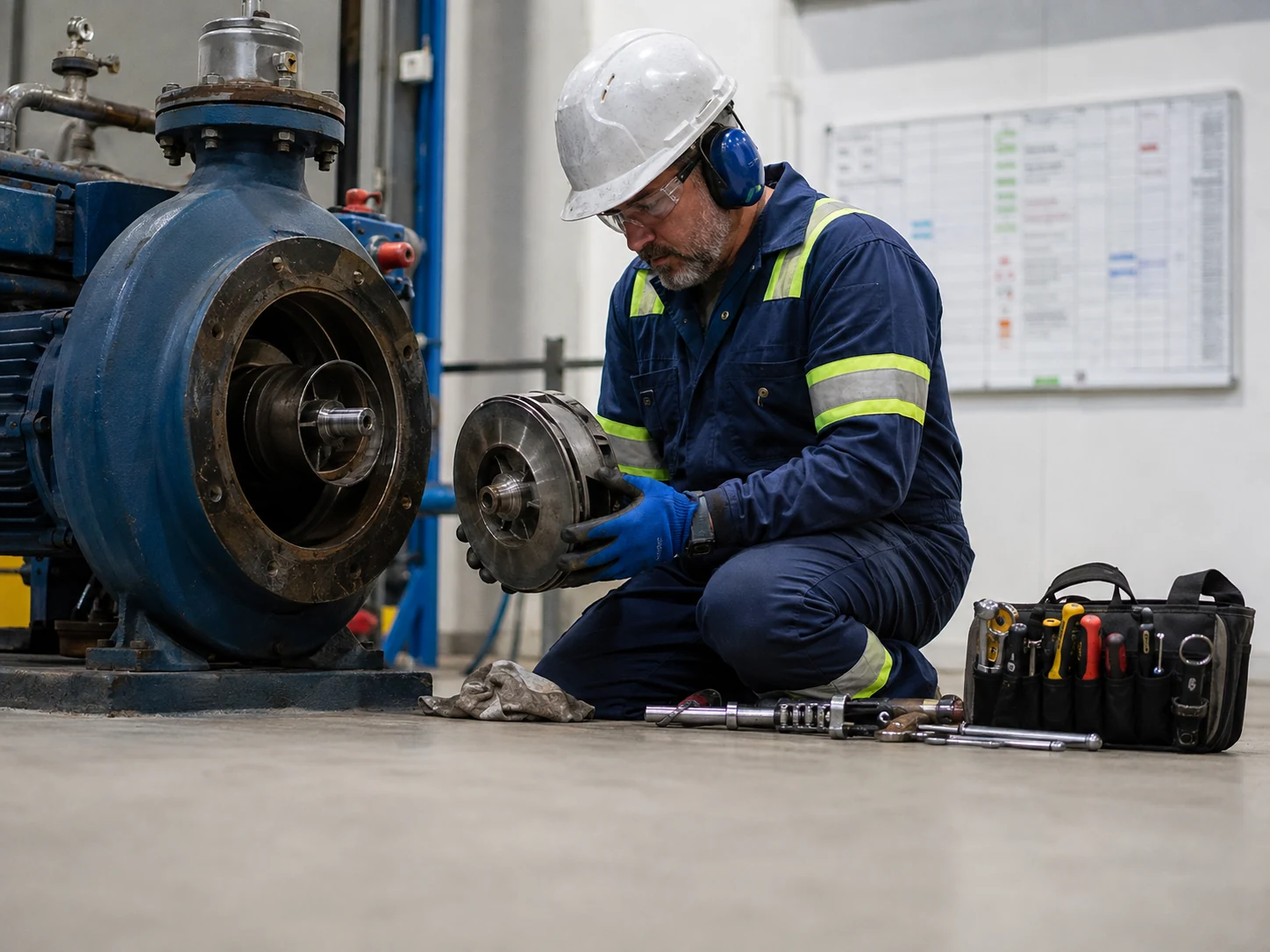
Bring one asset and its last inspection.
A failure event coded to a standard taxonomy is worth something to the next engineer. One described in free text is worth almost nothing.
- Integrity record; AIRMS keeps integrity, inspection, corrosion, RBI and FFS records with barriers.
- Quantitative reliability; RAMS models reliability, availability and maintainability with recognised methods.
- Maintenance execution; EAMS runs work orders, preventive maintenance, inventory and calibration.
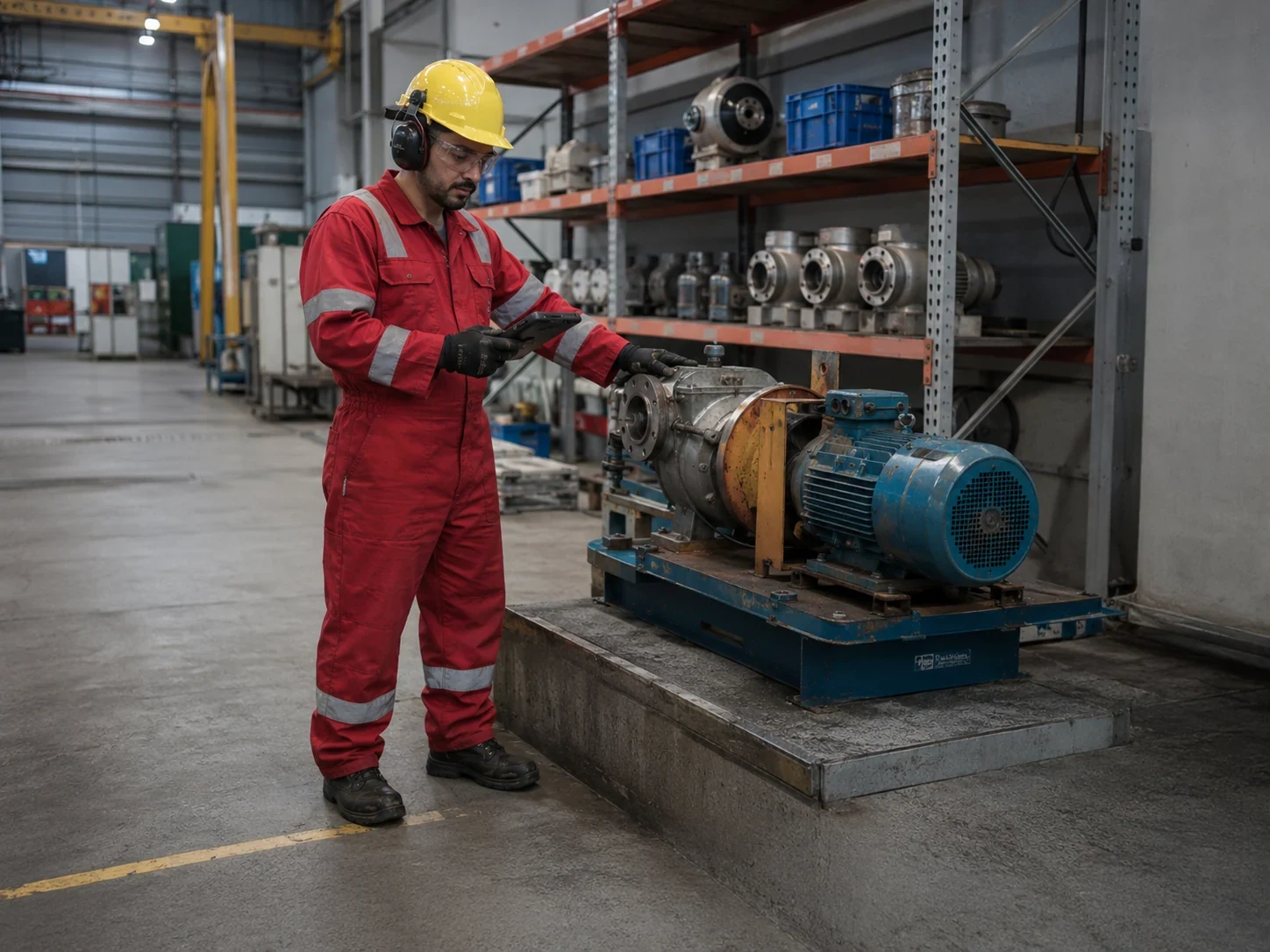
Lifecycle state and operational state are two different things.
Operating state and maintenance priority are separate controls. An asset may remain in service while replacement is planned, or remain available while on standby. Keeping those states distinct allows work to be prioritised by operational consequence rather than by arrival order.
- Criticality recorded as an engineering judgement, then used rather than recalculated
- Attention expressed as overdue work, overdue inspection or outstanding analysis
- Completed and closed held apart, with independent verification between them
4 applications, each operable on its own.
Adopt one and it works. Adopt the area and the records line up. No application here depends on another to run.
- AIRMS
AIRMS: Asset Integrity & Reliability Management System
Integrity, inspection, corrosion and barrier records with an Asset 360 view.
See the interface - RAMS
RAMS: Reliability, Availability & Maintainability Management System
Quantitative reliability analysis for operating assets.
See the interface - EAMS
EAMS: Enterprise Asset Management System
Maintenance execution: work orders, preventive maintenance, inventory and calibration.
See the interface - OMS
OMS: Obsolescence Management System
Lifecycle supportability risk and lifetime-buy decisions.
See the interface

Where this area is actually worked.
Usage-based maintenance becomes due because the equipment has operated, not merely because time has elapsed. That requires governed meter readings rather than estimated utilisation.
- Obsolescence cases; OMS records supportability risk and lifetime-buy decisions with where-used impact.
Before the first working session.
Which applications belong here?
AIRMS, RAMS, EAMS and OMS.
How do the four fit together?
AIRMS holds integrity and inspection, RAMS the reliability analysis, EAMS the maintenance and work, OMS the obsolescence risk; each keeps its own governed record and none depends on another.
Which should come first?
AIRMS where inspection and integrity records are the pain; EAMS where maintenance execution is.
Integrity record
AIRMS keeps integrity, inspection, corrosion, RBI and FFS records with barriers.
Quantitative reliability
RAMS models reliability, availability and maintainability with recognised methods.
Maintenance execution
EAMS runs work orders, preventive maintenance, inventory and calibration.
Obsolescence cases
OMS records supportability risk and lifetime-buy decisions with where-used impact.
Bring one asset and its last inspection
We will show the integrity record and what it drives.